Roof Repair, Cleaning & Treatment, Roofing Contractors Tacoma

March 2026

Effective Ways For Roof Moss Removal

Effective Ways For Roof Moss Removal: A Comprehensive Guide

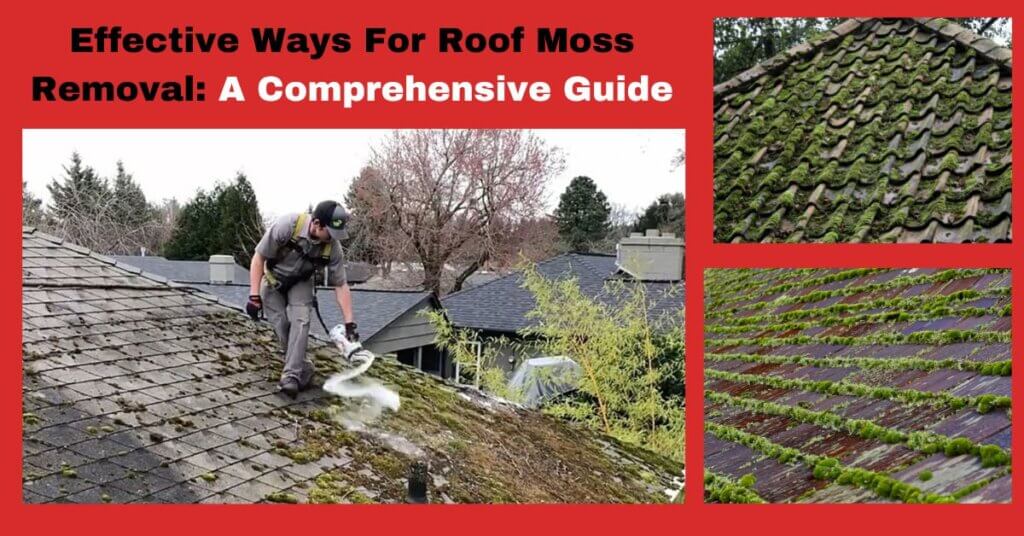
Effective Ways For Roof Moss Removal: A Comprehensive Guide Home Blogs Effective Ways For Roof Moss Removal: A Comprehensive Guide By Rainier Roof Restoration February 28, 2023 The presence of moss on your roof is both unpleasant and potentially dangerous. Moss can hold moisture against the ceiling, causing damage and reducing life duration. Roof moss removal is an important task that can prevent further damage and ensure the long life of your roof. Various methods for removing roof moss include manual scraping, pressure washing, and chemical treatments. In this article, we will discuss the importance of roof moss removal, its potential effects on your roof, and some practical methods for removing it safely and efficiently. Reason for Roof Moss Roof moss is a common problem in areas with high humidity and rainfall. Moss grows easily in moist, shady spaces and can quickly spread if the conditions are right. Here are some of the main reasons for roof moss: Lack of sunlight: Moss grows best in shady areas, so if your roof is shaded or covered by overhanging trees, it may be easier for moss growth. Moisture retention: Moss needs moisture to grow; if your roof retains moisture, it can provide the perfect environment for moss growth. Debris buildup, clogged gutters, or poor drainage can cause this. Poor ventilation: If your roof does not have proper ventilation, it can trap moisture and promote moss growth. Ageing roof: As your roof ages, it can become more susceptible to moss growth. This is because the protective layer on your roof can wear away, allowing moisture to penetrate and creating an ideal environment for moss to grow. If you have moss growing on your roof, it’s essential to address the issue as soon as possible to prevent damage to your roof. Sings you need roof moss removal service Regular roof moss cleaning is essential to keep your roof in good condition and prevent damage. Here are some signs that indicate you need a roof moss cleaning service: Visible moss growth: If you can see moss growing on your roof, it’s time to schedule a moss cleaning service. Moss can trap moisture on your roof, leading to damage and decay. Water stains or leaks: If you have water stains or leaks on your ceiling or walls, it could be a sign of moss growth on your roof. Moss can trap moisture and cause water to seep into your home. Increased energy bills: Moss growth can reduce your home’s energy efficiency by trapping heat and reducing airflow. This can lead to increased energy bills and reduced comfort in your home. Shingle damage: Moss can damage your roof shingles by lifting them and allowing water to penetrate beneath them. This can lead to roof leaks and other damage. Ageing roof: If your roof is older or has not been cleaned in several years, it may be more susceptible to moss growth. Regular moss cleaning can prevent damage and extend the lifespan of your roof. If you notice these signs, scheduling a professional moss cleaning service is important. Benefits Of Roof Moss Removal Roof moss removal has several benefits for your home and your roof. Here are some of the main advantages of roof moss removal: Prevents damage: Moss can damage your roof by trapping moisture and causing shingles to lift or decay. Regular roof moss removal can prevent this damage and extend the lifespan of your roof. Improves energy efficiency: Moss can reduce your home’s energy efficiency by trapping heat and reducing airflow. Removing moss can improve your home’s energy efficiency and reduce energy bills. Enhances curb appeal: A moss-free roof can significantly improve the appearance of your home, increasing its curb appeal and value. Protects your health: Moss can harbour mold, mildew, and bacteria that can cause health problems for you and your family. Removing moss can improve your indoor air quality and protect your health. Saves money: Regular roof moss removal can save you money in the long run by preventing costly repairs or premature roof replacement. How To Remove Moss From Roof Removing moss from your roof is a delicate process that requires proper tools, techniques, and safety precautions. Here’s how we remove moss from roofs: Safety first: We start by taking safety precautions, including wearing personal protective equipment (PPE), securing the area, and using safety harnesses. Gentle brushing: We use a soft-bristle brush to remove the moss from the roof surface gently. This process is delicate, and we do not damage the shingles. Air blowing: After brushing the moss, we use an air blower to remove debris from the roof surface. Treatment: We apply a moss inhibitor to the roof surface to prevent future moss growth. Clean up: We thoroughly clean the area around your home and dispose of any debris. It’s important to note that DIY roof moss removal can be dangerous and may cause damage to your roof if done improperly. It’s best to leave roof moss removal to professionals who have the proper tools, techniques, and safety equipment. Roof Moss Removal Cost The cost of roof moss removal can vary depending on several factors, including the size of your roof, the amount of moss present, and the accessibility of your roof. Roof moss removal costs range from $300 to $1000 or more. Other factors that can affect the cost of roof moss removal include: The type of roof you have. The slope and pitch of your roof. The time of year when the service is performed. It’s important to note that while DIY roof moss removal may seem like a cost-effective option, it can be dangerous and may cause damage to your roof if done improperly. It’s best to leave roof moss removal to professionals who have the proper tools, techniques, and safety equipment. Conclusion In conclusion, regular roof cleaning and moss removal are essential to maintaining the integrity and lifespan of your roof. Moss can cause damage to your roof and reduce your home’s energy efficiency, among other

Effective Ways For Roof Moss Removal: A Comprehensive Guide Read More »
leak-roof-repair

Roof Leak Repair: Everything You Need To Know

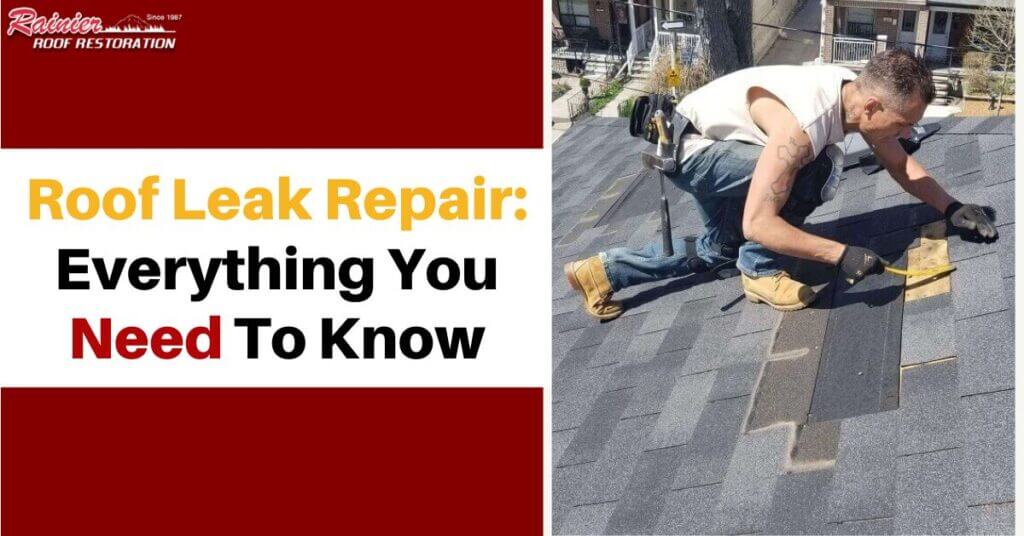
Roof Leak Repair: Everything You Need To Know Home Blogs Roof Leak Repair: Everything You Need To Know By Rainier Roof Restoration December 20, 2022 Roof leak repair services are essential to maintain and repair your home’s roof. If you notice water or snow accumulating on the roofline, or if water is seeping through the roof, a roof leak is likely present. A roof leak can cause extensive damage to your home and may even lead to structural failure. There are many things that you can do to address a roof leak. One option is to call a roofing contractor to inspect and repair the roof. If the leak is small, the contractor may be able to fix it on the spot. The contractor may need to replace the roof if the leak is more serious. If you notice any of the following signs: Water seeping through the roof Water accumulation on the roofline Snow or ice build-up on the roof A noticeable change in the sound of your roof when it rains Then you may be facing a roof leak issue What is a roof leak? And why is it important to prevent them? A roof leak is an issue with the roof that allows water and other weather conditions to enter the building. A roof leak is a serious problem that can cause extensive damage to a home or business. Water leaks into a building through a roof can cause extensive damage to the ceiling, walls, and floors. Water can also damage valuable equipment and furniture. A roof leak can also lead to the spread of harmful pests and moisture into the building. If you notice a roof leak, you should take action to fix it as soon as possible. Roof leaks can cause significant damage to the building and its occupants and lead to costly repairs. Roof leaks can occur in various locations, including around windows, skylights, vents, and roofing tiles. Leaks can also occur in the roofing membrane, leading to water ingress and even structural failure. Given the potential for serious damage, it is important to address roof leaks as soon as possible. In particular, roof leaks near windows and other openings should be addressed as soon as possible to prevent water from entering the building and causing damage. Roof leaks can be difficult to detect and may go undetected for long periods. If you notice a roof leak, it is important to call a professional to inspect the building and determine the extent of the damage. Causes of roof leaks There are a few causes of roof leaks. 1. Obstructions in the roofing material There are a few obstructions that can cause a roof to leak. These can be rain gutters that are not properly installed, gutter guards that are not installed, or improperly installed flashing. In addition, leaves and other debris can accumulate on the roof, leading to water infiltration. 2. Water entering the roof from rain or snow. One of the most common causes of water infiltration into a building is rain or snow melting on the roof and running down into the walls or ceilings. When this water comes in contact with the building materials, it can cause moisture to seep in, which may cause mold, fungus, and other types of damage. Additionally, standing water will attract pests and make it difficult to clean the building. 3. Gaps or tears in the roofing material: Roofing material gaps or tears can cause a variety of problems. From water infiltration to wind and snow damage, gaps and tears in roofing material can cause a lot of trouble. Here are four ways that gaps and tears in roofing material can cause problems. Gaps and tears in roofing material can allow water to enter the attic and the house. This can cause damage to the walls, insulation, and wiring. When wind and snow blow through the gaps and tears in the roofing material, they can cause damage to the roof, the walls, and the insulation. Gaps and tears in roofing material can allow heat and air conditioning to escape. This can cause problems with the temperature in the house and the efficiency of the air conditioning system. Gaps and tears in roofing material can allow people or animals to get Prevention tips for roof leaks There are a few simple steps you can take to prevent roof leaks: Inspect your roof for any signs of leaks. Look for cracks, holes, or bald patches. Repair or replace any problems you find Insulate your roof with good sealant. This will help reduce the chances of water seeping through the roof. Install flashing around the roof edges. This will help to keep water out of the roof and prevent leaks. Maintain your roof by cleaning it and caulking any cracks or holes. Check your roof equipment and make any necessary repairs. This will help to prevent leaks. Also Read:- Affordable Roof Cleaning Cost That Suits Your Roof Roof Leak Repair cost Average Roof leak repair cost for small damages will be between 300$ – 1500$, and for major damages, the cost will be above 1500$, or you may also need to change the roof if the damage is massive. Getting it fixed as soon as possible is important if you have a roof leak. A leak in the roof can cause massive damage to your home and even lead to structural failure. Here are some factors that can influence the cost of Roof Leak Repair: The severity of the leak: A more severe roof leak will likely require more extensive repairs than a less severe leak. The age of the home: older homes are more likely to have more severe roof leaks and may require more extensive repairs than newer homes. The location of the leak: Leaks near the roof line or in areas of high wind and rain exposure are more likely to cause major damage. The extent of the damage: A roof leak that goes undetected for a long time can lead

Roof Leak Repair: Everything You Need To Know Read More »

Roof Cleaning Should You DIY or Hire a Pro

Roof Cleaning: Should You DIY or Hire a Pro?

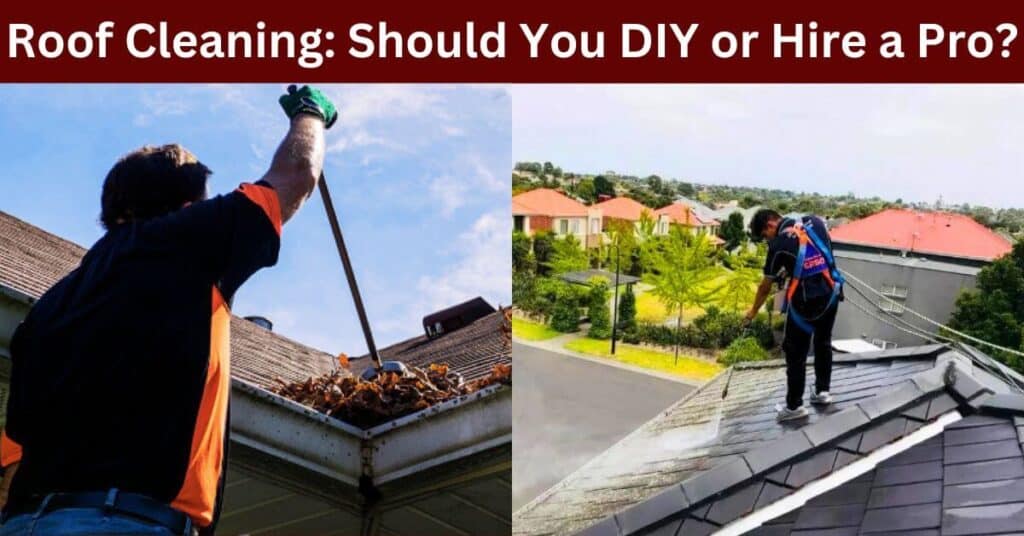
Roof Cleaning: Should You DIY or Hire a Pro? Home Blogs Roof Cleaning: Should You DIY or Hire a Pro? Home Blogs Roof Cleaning: Should You DIY or Hire a Pro? By Rainier Roof Restoration April 18, 2023 Cleaning your roof is an essential part of home maintenance that must often be noticed. Over time, dirt, debris, and algae can build up on your roof, leading to potential damage and reducing lifespan. Not only does a clean roof enhance your home’s curb appeal, but it can also help improve its energy efficiency. However, the question remains: should you tackle this job yourself or hire a professional? In this blog post, we’ll look more closely at DIY versus professional roof cleaning and help you decide which option is right for you. So, let’s get started! Signs You Need To Clean Your Roof Knowing when it’s time to clean your roof can be challenging, but there are a few signs that you should be on the lookout for. The first and most obvious sign is the appearance of dirt, debris, and algae on your roof. If your roof looks a little dirty, it’s probably time to clean it well. Another sign that your roof needs cleaning is the presence of moss or lichen. These plants can grow on your roof and cause damage to your shingles over time. If you see moss or lichen on your roof, it’s important to take action and get it cleaned off as soon as possible. Finally, if you notice that your energy bills are creeping up or your home isn’t staying as cold as it used to, it could be a sign that your roof needs cleaning. A dirty roof can reduce your home’s energy efficiency, resulting in higher energy bills and a less comfortable living environment. In general, if it’s been a while since you last cleaned your roof, it’s a good idea to take a closer look and see if it needs some attention. It’s always better to be safe than sorry about home maintenance! Benefits Of Roof Cleaning Cleaning your roof can provide many benefits for your home. It can enhance your home’s overall appearance and boost its curb appeal. Who doesn’t love a clean and polished-looking house? Am I right? But the benefits don’t stop there. You can improve your roof’s energy efficiency by removing dirt, debris, and algae. This means you could save some serious cash on your energy bills, which is always a win. Another important benefit of roof cleaning is that it can help extend your roof’s life. When left untreated, dirt and debris can accumulate and cause damage to your roof over time. This could lead to costly repairs or even a complete roof replacement. Keeping your roof clean can avoid these potential issues and save you money in the long run. DIY Roof Cleaning Benefits One of the main benefits of tackling roof cleaning yourself is that it can be cost-effective. Hiring a professional to clean your roof can be expensive, and if you’re comfortable working at heights and have the right tools, you could save some serious cash by doing it yourself. Another benefit of DIY roof cleaning is that you can do it on schedule. You won’t have to worry about coordinating with a professional; you can take your time to ensure the job is done right. DIY roof cleaning can also be a great way to get some exercise and fresh air. Climbing up on your roof and working to remove dirt and debris can be a physically demanding task, but it can also be an excellent way to get some outdoor activity and enjoy the sunshine. Finally, if you take pride in maintaining your home, DIY roof cleaning can be a satisfying and rewarding task. There’s nothing quite like seeing the results of your hard work and knowing you’ve taken good care of your home. Risks Involved With DIY Roof Cleaning While there are benefits to DIY roof cleaning, there are also some risks involved that you should be aware of. One of the biggest risks is the potential for falls and injuries. Climbing up on your roof can be dangerous, especially if you need the right safety equipment or experience. Falling from a relatively low height can result in serious injuries, so it’s important to take safety seriously if you’re considering DIY roof cleaning. Another risk of DIY roof cleaning is the potential for damage to your roof. If you need to become more familiar with the proper techniques and tools for cleaning a roof, you could inadvertently cause damage to your shingles or other roofing materials. This could result in costly repairs or even a complete roof replacement, which would far outweigh any savings you may have achieved by doing it yourself. Finally, DIY roof cleaning can be a messy and time-consuming task. Depending on the size of your roof and the amount of dirt and debris that must be removed, it could take hours or even days to complete the job. Additionally, cleaning your roof can be a messy process, which could result in debris and cleaning chemicals spilling onto your lawn or siding. Overall, if you’re not comfortable with heights, don’t have the proper safety equipment or experience, or aren’t familiar with the proper techniques for cleaning a roof, it’s best to leave this task to the professionals. A DIY roof cleaning job’s potential risks and costs far outweigh any potential savings. Benefits of Professional Roof Cleaning While DIY roof cleaning can be a cost-effective option. There are some benefits to hiring a professional to handle the job. One of the biggest benefits is the experience and expertise that a professional can bring to the task. Professional roof cleaners have the knowledge and tools to properly clean your roof without causing damage to your shingles or other roofing materials. Another benefit of professional roof cleaning is the time savings. Depending on the size of your roof and the amount of

Roof Cleaning: Should You DIY or Hire a Pro? Read More »

How Cold Weather Affects Your Roof: Expansion, Contraction, and Potential Damage

As temperatures drop during the winter months, your roof undergoes continuous expansion and contraction due to fluctuating temperatures. These changes may seem minor on a day-to-day basis, but over time, they can significantly impact the durability and performance of your roof. Understanding how cold weather affects your roofing materials can help you take preventive steps to protect your home. Expansion and Contraction: What Happens to Your Roof? Roofing materials, especially those made of asphalt shingles, metal, and wood, react to temperature shifts. When exposed to cold weather, materials contract; as temperatures rise again, they expand. This cycle of contraction and expansion can lead to: Cracking and Splitting – As materials contract in freezing temperatures, they can become brittle and crack. This is particularly common with asphalt shingles and wood roofing components. Loose or Broken Fasteners – Metal roofing panels and flashing expand when heated and contract when cooled, which can cause fasteners and seams to loosen over time. Warping or Curling – Wooden shingles and asphalt shingles may warp or curl due to repeated expansion and contraction, reducing their effectiveness in protecting your home. Increased Vulnerability to Leaks – As roofing materials shift, small gaps and weaknesses can form, allowing moisture to seep in. Over time, this can lead to water damage, mold growth, and structural issues. The Impact of Ice Dams on Your Roof Another significant issue caused by fluctuating temperatures is the formation of ice dams. Ice dams occur when snow melts on a warm roof surface and then refreezes at the eaves, creating a barrier that prevents further melting snow from draining properly. This trapped water can seep under shingles and into your home, leading to leaks and water damage. How to Protect Your Roof During Cold Weather To minimize the impact of cold weather on your roof, consider the following preventative measures: Regular Inspections – Have a professional roofer inspect your roof before and after winter to check for any signs of damage or weak spots. Proper Ventilation and Insulation – Ensure that your attic is well-ventilated and properly insulated to maintain a consistent roof temperature and prevent ice dams. Gutter Maintenance – Keep gutters clean and free of debris to allow proper drainage and reduce the risk of ice buildup. Prompt Repairs – Address any loose shingles, flashing, or other roofing components before winter arrives to prevent further damage. Snow and Ice Removal – In areas prone to heavy snowfall, using a roof rake to remove excess snow can help prevent ice dams and excessive weight buildup. About Rainier Roof Restoration At Rainier Roof Restoration, we specialize in keeping your roof in top condition throughout the year. Our expert team provides thorough inspections, maintenance, and repair services to protect your home from the effects of cold weather. Whether you’re dealing with cracked shingles, ice dam issues, or general wear and tear, we are here to help. Call us today at (425) 532-5214 for a professional roof assessment and ensure your home stays safe and secure year-round. Final Thoughts Cold weather can take a toll on your roof, but with proactive maintenance and timely repairs, you can minimize the risks associated with expansion and contraction. Regular inspections and proper care can extend the lifespan of your roof and keep your home protected throughout the winter season. If you suspect any roof damage or need professional assistance, consult Rainier Roof Restoration at (425) 532-5214 for expert service.

How Cold Weather Affects Your Roof: Expansion, Contraction, and Potential Damage Read More »

Winterizing Your Roof: Essential Steps

Winterizing Your Roof: Essential Steps for Bellevue, Washington Homeowners As winter approaches in Bellevue, Washington, preparing your roof for harsh weather is crucial to protecting your home from rain, snow, and freezing temperatures. Winterizing your roof not only ensures its durability but also helps prevent costly repairs down the road. Here are ten essential steps to help you safeguard your roof and home this winter. 1. Inspect and Repair Your Roof Begin by checking your roof for any signs of damage: Shingles: Look for missing, loose, or damaged shingles and replace them promptly. Leaks: Seal cracks or gaps around vents, chimneys, or skylights with roofing sealant. Flashing: Ensure the flashing around roof penetrations is secure and watertight. Taking the time to address these small issues can save you from bigger problems once the snow and ice arrive. Rainier Roof Restoration can inspect and repair your roof efficiently—just give us a call to schedule your service today! 2. Clean Gutters and Downspouts Clear gutters of leaves and debris to allow water to drain freely: Debris Removal: Blocked gutters can lead to water pooling and freezing, which damages your roof. Gutter Guards: Consider installing guards to prevent future clogs. Downspouts: Ensure water is directed away from your home’s foundation to avoid flooding. Let the experts at Rainier Roof Restoration handle your gutter cleaning and maintenance. Call us today at (425) 462-5296 to get your gutters winter-ready! 3. Trim Overhanging Branches Snow-laden branches can pose a significant threat: Tree Trimming: Prune back any branches hanging over your roof. Safety First: This prevents heavy limbs from breaking and causing damage during storms. Our team can recommend trusted partners for trimming trees safely in Bellevue. 4. Install or Repair Roof Insulation Proper insulation keeps your home warm and prevents roof issues: Heat Loss: Insulation stops warm air from escaping through your attic, reducing ice dam formation. Ventilation: Ensure proper airflow to avoid condensation and moisture buildup. Rainier Roof Restoration offers expert advice on roof insulation and ventilation solutions tailored for your home. 5. Protect Against Ice Dams Ice dams can lead to water damage inside your home: Ice and Water Shields: Install protective barriers under shingles to prevent leaks. Clear Gutters: Functional gutters minimize the risk of ice dam formation. Bellevue’s fluctuating winter temperatures make ice dam prevention a top priority. Schedule an appointment with Rainier Roof Restoration to keep your roof safe this winter. 6. Inspect Attic Ventilation Moisture buildup in your attic can lead to mold and structural damage: Ventilation Check: Ensure your attic is well-ventilated to prevent ice dams and moisture issues. Humidity Control: Address any existing ventilation problems before the cold weather sets in. Rainier Roof Restoration can ensure your attic ventilation system is optimized for winter weather. 7. Apply a Roof Coating A waterproof roof coating adds an extra layer of protection: Durability: Coating prevents water and ice from penetrating your roof. Longevity: This step can extend the life of your roof, even in harsh winter conditions. Our team specializes in roof coating applications to enhance your roof’s performance. Call (425) 462-5296 to learn more! 8. Check for Pest Entry Points Winter pests often seek shelter in warm spaces: Inspection: Look for holes or gaps in your roof or attic. Seal Gaps: Close off any entry points to keep pests like rodents or birds out. Let Rainier Roof Restoration help you secure your home from unwanted winter visitors. 9. Invest in Snow Guards Snow guards can prevent dangerous situations: Snow and Ice Control: These devices stop large chunks of snow or ice from sliding off the roof. Safety: Protects both people and property below from injury or damage. Our experts can install snow guards to enhance your roof’s safety. 10. Schedule a Professional Inspection A roofing professional can identify problems you might miss: Comprehensive Check: Hire an expert to assess the condition of your roof and recommend repairs. Peace of Mind: Professional inspections ensure you’re fully prepared for winter. Rainier Roof Restoration provides thorough roof inspections to ensure your home is ready to withstand the season. Protect Your Bellevue Home This Winter with Rainier Roof Restoration Don’t leave your roof’s winter readiness to chance. Rainier Roof Restoration is your trusted partner for roof maintenance, repairs, and winterizing services in Bellevue, Washington. Our experienced team is here to help you protect your home and keep your family warm and dry this season. Call us today at (425) 462-5296 to schedule your winterization service!

Winterizing Your Roof: Essential Steps Read More »